4 OCTOBER 2026 · 2 MIN READ
Why the Brake Sold the Lift
A safety brake got people into the first lifts, and a blackout made the power grid more reliable. What a power grid taught me about trusting AI.
BY IMRAN SHAUKAT
AILEADERSHIPSTRATEGY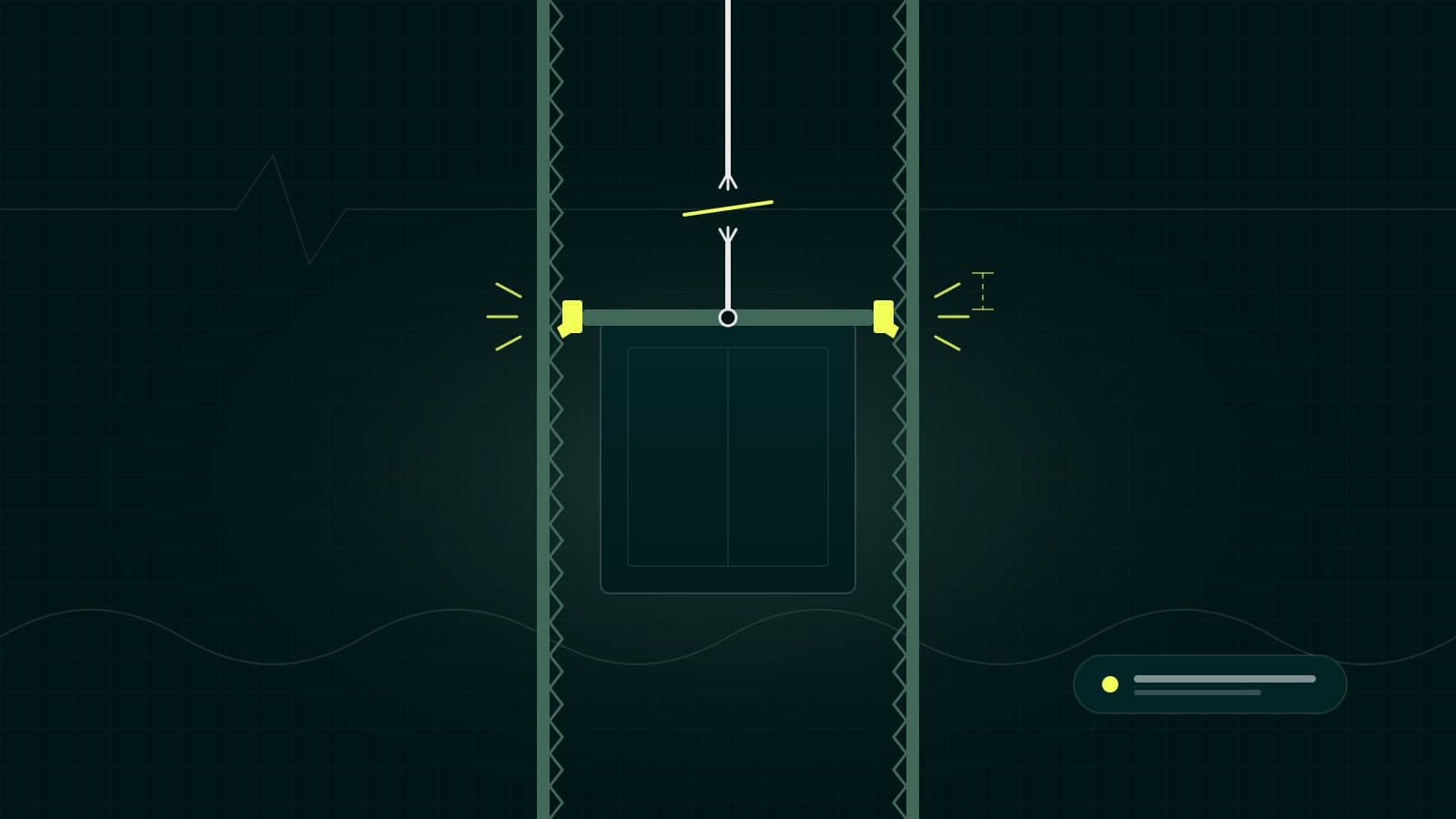
A quiet revolution in the driveway
Soon, in more and more homes across Australia, a car, a battery and a charger will hold a conversation nobody hears. When should the car charge? When should the battery send power back? Increasingly, software makes those calls in milliseconds, and AI is making it better at them.
I run technology at Electric-Future, and I'm optimistic about this. AI is going to help us spot faults sooner, balance energy more cleverly and resolve customer issues on the first call. Those will be real wins.
But my optimism comes from a story about a brake.
The brake that sold the lift
In 1854, in a New York exhibition hall, Elisha Otis stood on a raised platform and ordered its only rope to be cut. The platform dropped a few inches and stopped. His spring-loaded safety catch had locked into the rails.
Hoists were centuries old. What nobody would do was ride one. Otis didn't invent the lift; he invented the reason to trust it. That brake helped make the skyscraper possible.
Safety didn't slow the lift down. It is the reason anyone got in.
The afternoon the alarm went quiet
Trust also gets built through failure. On 14 August 2003, alarm software in an Ohio grid control room stalled silently. Operators read the silence as good news while overloaded lines sagged into trees. Within hours, about 50 million people across North America lost power.
The response wasn't to fear electricity. Investigators traced every cause, and US grid reliability standards that had been voluntary became mandatory. The grid became more trustworthy, and that trust let it keep growing.
AI today faces its own versions of that afternoon. The risks are real: vulnerabilities in critical infrastructure and people who stop thinking critically because the answers come too easily. Both are the same underlying danger. It is a system we might stop questioning.
Designing for the silent alarm
I treat those risks as design requirements, not reasons to stop:
- Fail loudly. A system should say clearly when it is unsure or broken, never go quiet.
- Hand back to people. When automation reaches its limit, a human should get the problem with enough context to act.
- Keep asking "are you sure?" The best tools strengthen judgement instead of replacing it.
This is what technology as leverage looks like in practice.
Cut the rope in public
Otis didn't ask the crowd to trust him. He cut the rope in front of them. AI advancements deserve the same standard: not promises of safety, but demonstrations of it.
Get the brake right, and people won't just ride. They'll build skyscrapers.